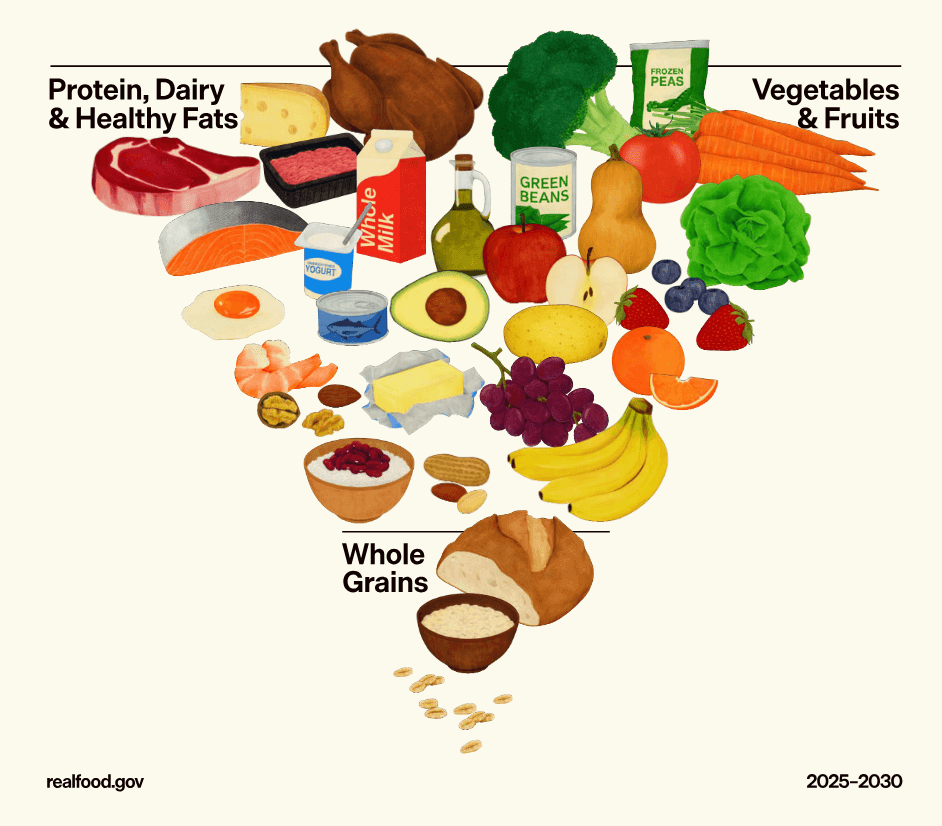
US dietary guidelines highlight protein intake
The United States Department of Agriculture released updated dietary recommendations last week that place a stronger emphasis on adequate protein consumption as a core pillar of a healthy diet. The new guidance reflects growing recognition of protein’s role in preserving muscle mass, supporting metabolic health, and improving satiety across age groups, particularly among older adults.
The USDA notes that consumers should prioritize high-quality protein sources within balanced diets, encouraging diversity across animal-based and plant-based options, in line with nutritional and sustainability considerations.
This marks a significant shift from dietary guidelines that predominated since the 1990s, which tended to place greater emphasis on limiting certain nutrients rather than highlighting the functional role of protein in overall health. For the agri-food sector, the change could support sustained demand for protein-rich foods as nutrition quality gains prominence in consumer choices.
The USDA message says that “we are putting real food back at the center of the American diet. Real food that nourishes the body. Real food that restores health. Real food that fuels energy and encourages movement and exercise. Real food that builds strength”.
It states that “the United States is amid a health emergency. Nearly 90% of health care spending goes to treating people who have chronic diseases. Many of these illnesses are not genetic destiny; they are the predictable result of the Standard American Diet—a diet which, over time, has become reliant on highly processed foods and coupled with a sedentary lifestyle. The consequences have been devastating. More than 70% of American adults are overweight or obese. Nearly one in three American adolescents between the ages of 12 and 17 has prediabetes”.